
What to Bring: Essential Items for a Comfortable Walk
A practical checklist covering footwear, weather protection, hydration, and what helps make longer walks more comfortable. Nothing complicated — just the basics that actually matter.
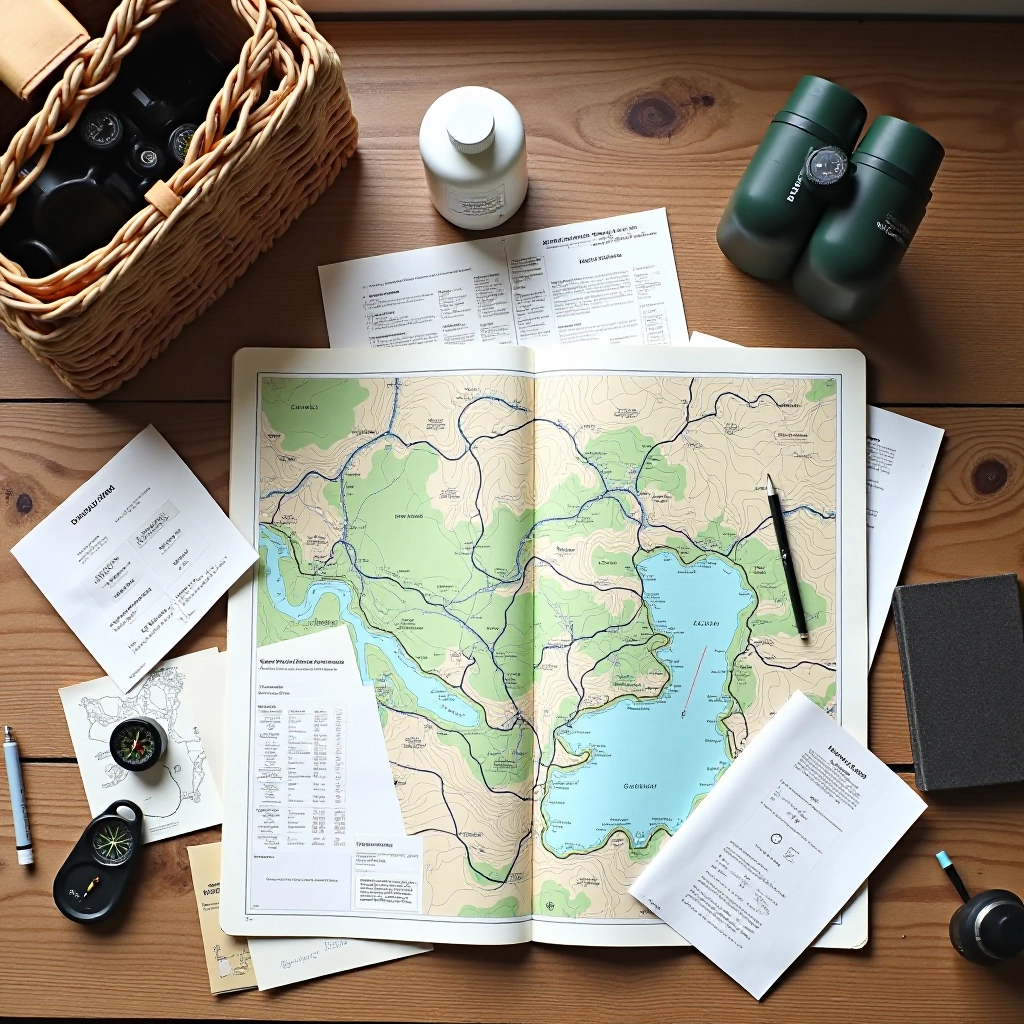
By
Kaunas Reservoir Editorial Team
Editorial Team
Written by the Kaunas Reservoir editorial team, focused on honest, practical guidance for waterside walks and rest areas.

Getting the Basics Right
Walking around the reservoir is straightforward. You don't need fancy gear or expensive equipment. What you actually need is simple — comfortable shoes, something to drink, and protection from the weather. We've seen plenty of people arrive unprepared and cut their walks short because their feet hurt or they got cold. It doesn't have to be that way.
This guide covers what actually matters. We're not talking about specialized hiking equipment. We're talking about the everyday items that make a two-hour walk feel easy instead of uncomfortable.
Footwear: The Foundation of Every Walk
Your shoes are everything. Seriously. Most people underestimate how much difference the right footwear makes until they're halfway through a walk with sore feet and no way back.
You'll want something with good cushioning in the sole — at least 10-12 millimeters of foam or gel support. The terrain around the reservoir mixes pavement, packed dirt, and occasional gravel. Walking shoes (not running shoes, not casual sneakers) give you the ankle support you need on uneven ground.
Look for shoes with a wider toe box. Your feet expand slightly during exercise, and you don't want your toes compressed. Bring two pairs if you're doing this regularly — rotating shoes extends their life and gives each pair time to dry properly.
Footwear Checklist
- Walking shoes with 10-12mm cushioning
- Wide toe box (not tight)
- Moisture-wicking socks (not cotton)
- Shoes broken in before long walks
Weather Protection Without Overcomplicating
Weather changes fast around the water. You might start with clear skies and end up in a light drizzle. A lightweight waterproof jacket takes up almost no space and saves you from cutting your walk short.
Don't go for heavy rain gear — you'll overheat during the walk. A thin, packable waterproof layer works better. It weighs maybe 200-300 grams and rolls into something the size of a water bottle. You might not need it, but you'll be grateful it's there when you do.
In warmer months, bring a light sweater or fleece. The temperature drops noticeably once the sun goes lower, especially near water. Layering lets you adjust as you warm up or cool down.
Summer walks? A cap or hat is useful. It keeps sun off your face and helps with visibility if you're walking into the light. It's not essential, but it makes the walk more comfortable.
Hydration: Drinking Before You're Thirsty
You need water. There's no getting around this. For a typical walk of 5-8 kilometers (which takes about 1.5 to 2 hours), bring at least 500 milliliters, preferably 750 milliliters.
Here's the thing — by the time you feel thirsty, you're already dehydrated. Drink regularly, even if you don't feel like you need it. Small sips every 10-15 minutes is better than waiting until you're parched.
A reusable bottle is worth the investment. Plastic bottles are lighter if you're walking long distances, but insulated bottles keep your water at a decent temperature. Warm water in the sun isn't appealing. Cold water keeps you feeling fresher during the walk.
If you're walking for more than 2 hours, consider bringing an electrolyte drink or adding a pinch of salt to your water. It helps with hydration on warmer days, though plain water works fine for shorter walks.
The Extras That Make a Difference
Beyond the essentials, a few small items transform an okay walk into a comfortable one.
Sunscreen matters. Even on cloudy days, UV rays reach you. A lightweight stick of SPF 30 or higher goes in your pocket easily. Sun damage happens without you realizing it, and prevention is simpler than dealing with it afterward.
Bring a small snack. A banana, some nuts, or a cereal bar gives you energy without weighing you down. Walking for 1.5-2 hours uses calories, and having something to eat prevents that energy crash halfway through.
A small backpack or crossbody bag keeps your hands free. You don't want to be gripping water bottles or jackets the whole time. Look for something with padded straps — it makes carrying items for 1-2 hours comfortable instead of annoying.
If your phone has a decent camera, bring it. The reservoir scenery is worth capturing, and a phone is lighter than carrying a dedicated camera. Just make sure you've got enough battery — use power-saving mode if you're worried.
The Complete Checklist
Essential
- Walking shoes (broken in)
- Water (500-750ml minimum)
- Lightweight jacket
- Phone or ID
Highly Recommended
- Moisture-wicking socks
- Small backpack
- Sunscreen
- Snack (banana, nuts)
- Hat or cap
Optional but Useful
- Insulated water bottle
- Electrolyte drink
- Blister treatment
- Tissues or handkerchief
- Camera or binoculars
Start Simple, Adjust as You Learn
You don't need to buy everything at once. Start with good shoes, water, and a light jacket. Do a walk or two. See what you actually need. Then add items based on your experience — different people find different things useful.
The goal is being comfortable enough to enjoy the walk. When your feet don't hurt, you're not thirsty, and you're not too cold or too hot, you notice the water, the trees, and the sky. That's when a walk becomes something you actually want to do again.
We've mapped routes around the reservoir that range from easy 4-kilometer loops to more substantial 8-kilometer walks. Pick one, pack the essentials, and get out there. You'll figure out the rest quickly.
A Note on Safety and Suitability
Choose activities that match your fitness level. Check local conditions before traveling, and speak with your GP if you have health concerns before starting a new activity. Weather can change quickly around the water — bring appropriate protection and don't hesitate to turn back if conditions worsen.
Explore More Routes
Discover other walks and guides around the reservoir
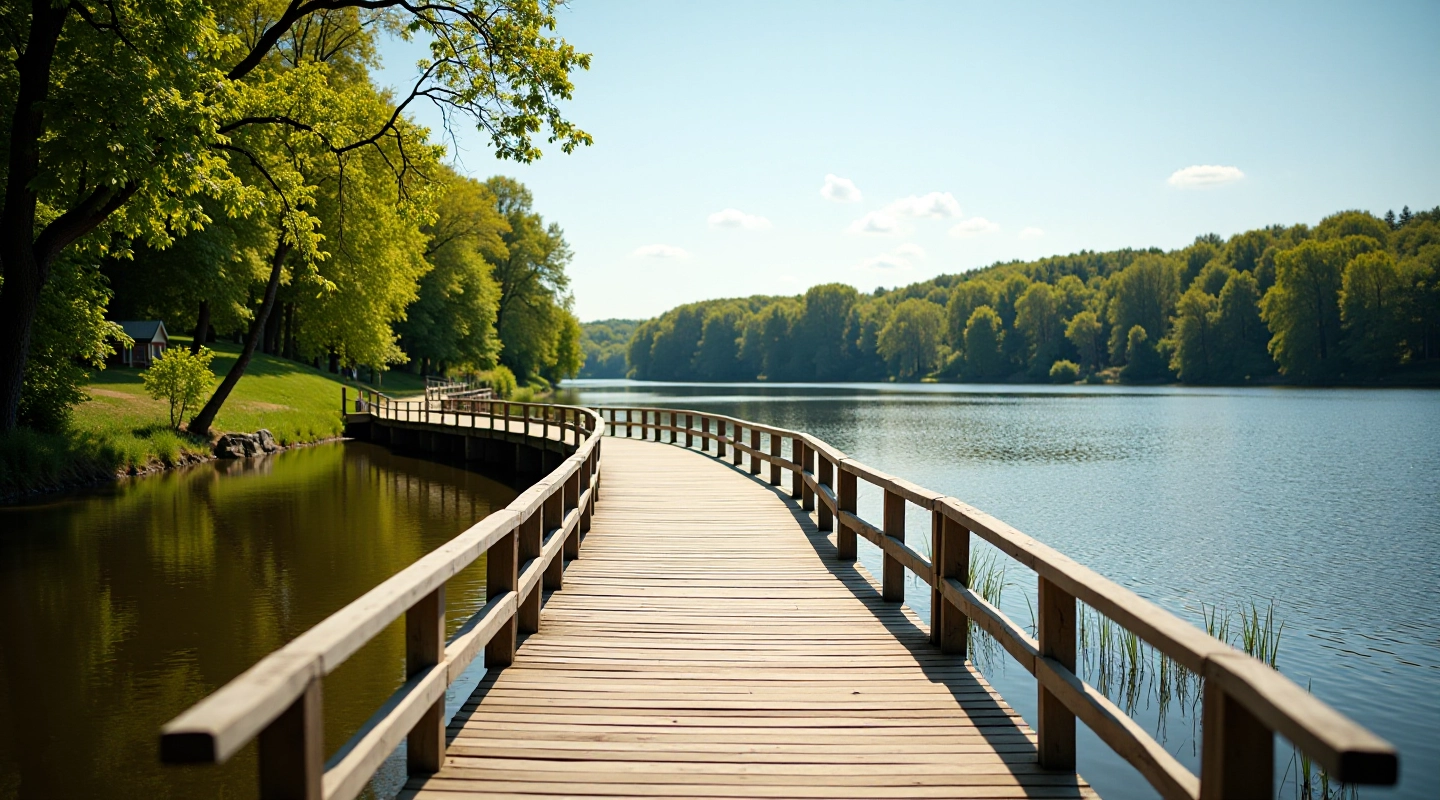
North Shore Loop: An Easy Half-Day Walk
A gentle 4-kilometer loop with multiple rest spots. Perfect for those who want a comfortable pace without challenges.
Read Guide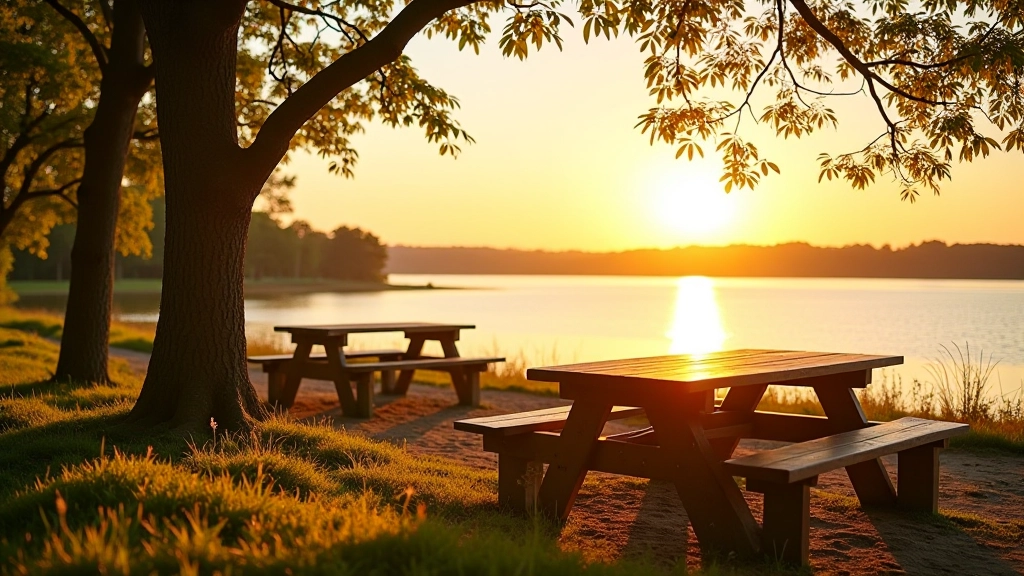
Best Picnic Spots Around the Reservoir
We've mapped out the five best locations for a proper rest with a packed lunch. Each spot has its own character.
Read Guide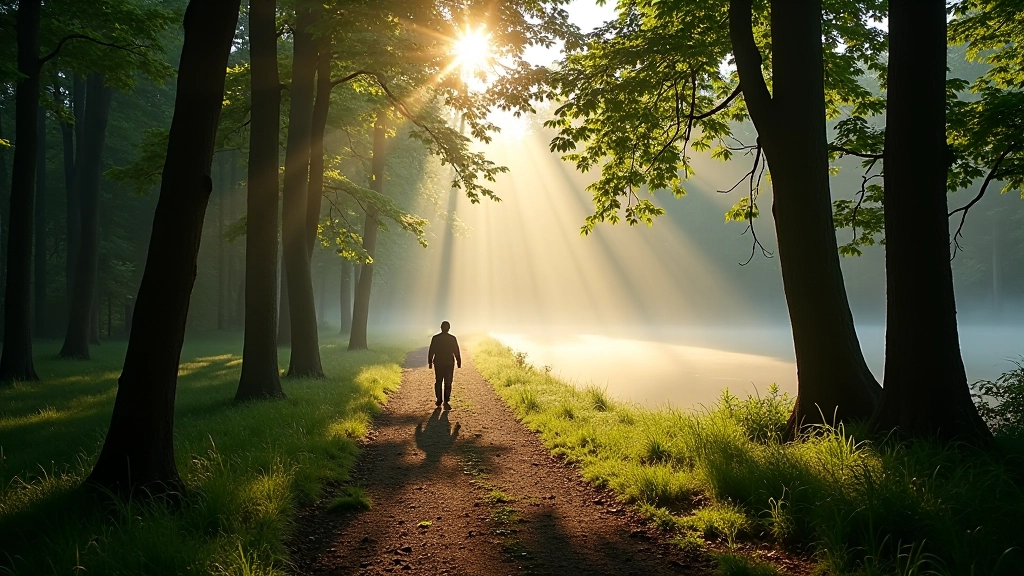
Eastern Trail Through the Woods: Distance & Time
A moderate 6-kilometer route that moves away from the water briefly to explore the woodland. More interesting terrain.
Read Guide